Can you fly your drone in Canada?
Whether you can fly depends on your drone, your registration and exactly where you fly. Here is what applies: key rules, no-fly zones and the official sources, in one place.
Regulator
Transport Canada
Framework
Canadian Aviation Regulations (CARs) Part IX
Pilot credential
Pilot Certificate
KEY RULES
- Max 122 m (400 ft) above ground level
- Display registration number (C-F####) on the drone
- Basic certificate: age 14+, 35-question exam (65% pass) — uncontrolled airspace only
- Advanced certificate: age 16+, 50-question exam (80% pass) + flight review — controlled airspace
- Drones under 250g: no registration or certificate required
- Always maintain visual line of sight (VLOS) — direct visual contact without aids
- Maintain 30 m horizontal distance from people (basic operations)
- Unless following an established Transport Canada procedure, stay 5.6 km (3 NM) from certified airports and 1.9 km (1 NM) from certified heliports. Flying in controlled airspace requires an Advanced certificate and NAV DRONE authorization.
- Provincial and national parks generally prohibit recreational drone use — confirmed banned in Alberta, Ontario, and British Columbia's provincial parks, and across all Parks Canada national park locations. Check the specific park's rules before flying.
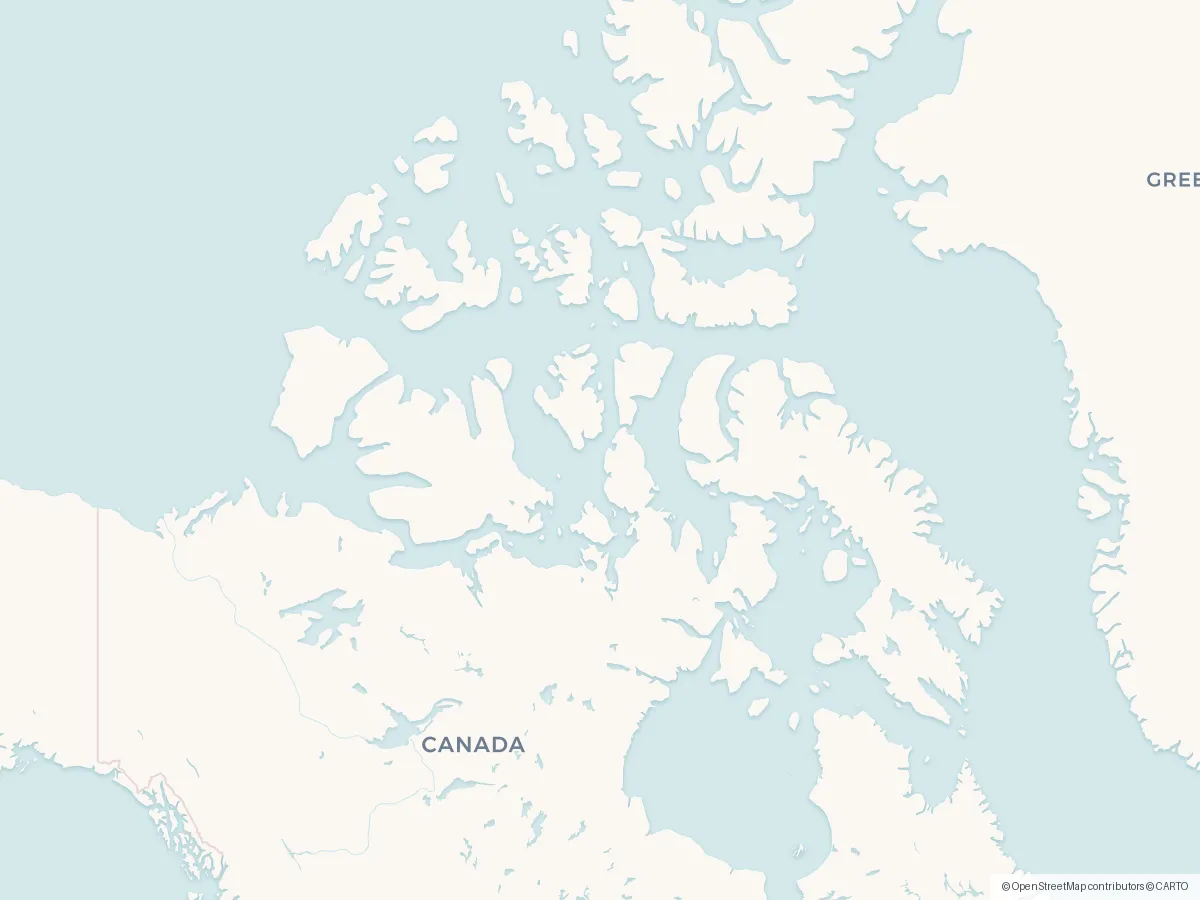
No-fly zones and restrictions
Frequently asked questions
Do I need a licence or certificate to fly a drone in Canada?
In Canada, you need a drone Pilot Certificate from Transport Canada — Basic for most flights, Advanced for controlled airspace or flying near people. Drones from 250 g to 25 kg must be registered. Full requirements and official sources below.
Can I fly a drone as a tourist or foreign visitor in Canada?
Sub-250 g drones: yes — tourists need no registration, certificate or permit. From 250 g Canada is restrictive for visitors: foreign pilots cannot register drones, so they need a Foreign SFOC-RPAS from Transport Canada (fees from 20 Canadian dollars, allow up to 30 business days) before flying. Rules for foreign pilots can change, so always double-check with Transport Canada before you travel, and see the official sources below.
What are the most important drone rules in Canada?
The short version: Max 122 m (400 ft) above ground level. On top of that: Display registration number (C-F####) on the drone. Also: Basic certificate: age 14+, 35-question exam (65% pass) — uncontrolled airspace only. These are central aviation rules — location-specific airspace, land, nature, privacy and photography requirements can also apply in Canada, so always check the official sources.
Where am I not allowed to fly a drone in Canada?
What you need to avoid are the restricted zones — typically around airports, prisons, military areas and protected nature. You'll find the official map for Canada under Sources below, and the DroneKoll app shows current NOTAMs (temporary airspace restrictions) for Canada.
Who regulates drone flying in Canada?
Drone flying in Canada is regulated by Transport Canada. The airspace itself is managed by NAV CANADA. You will find both organisations' official pages under Sources below — those are the links worth bookmarking.
Good to know
OFFICIAL SOURCES
- Transport Canada — Drone safety Official hub for all Canadian drone regulations, licensing and registration tc.canada.ca
- Transport Canada — Register your drone Register drones 250g+ via the Drone Management Portal ($5, ~3 minutes) tc.canada.ca
- NAV DRONE — Controlled airspace Request controlled airspace access (Advanced certificate required) navcanada.ca
- Transport Canada — Pilot certificate Basic and Advanced pilot certificate exams and requirements tc.canada.ca
ADDITIONAL RESOURCES
- Transport Canada — Where to fly Rules for where drones can and cannot be flown in Canada tc.canada.ca
- Transport Canada — Fly safely and legally Complete guide to safe and legal drone operations tc.canada.ca
- Transport Canada — 2025 regulatory changes Summary of new drone operation types including BVLOS and EVLOS tc.canada.ca
Always check official Transport Canada sources before flying. This app is a tool — not a legal authority. Provincial, territorial and municipal bylaws may add restrictions.
The app
The whole picture, up to date — in your pocket
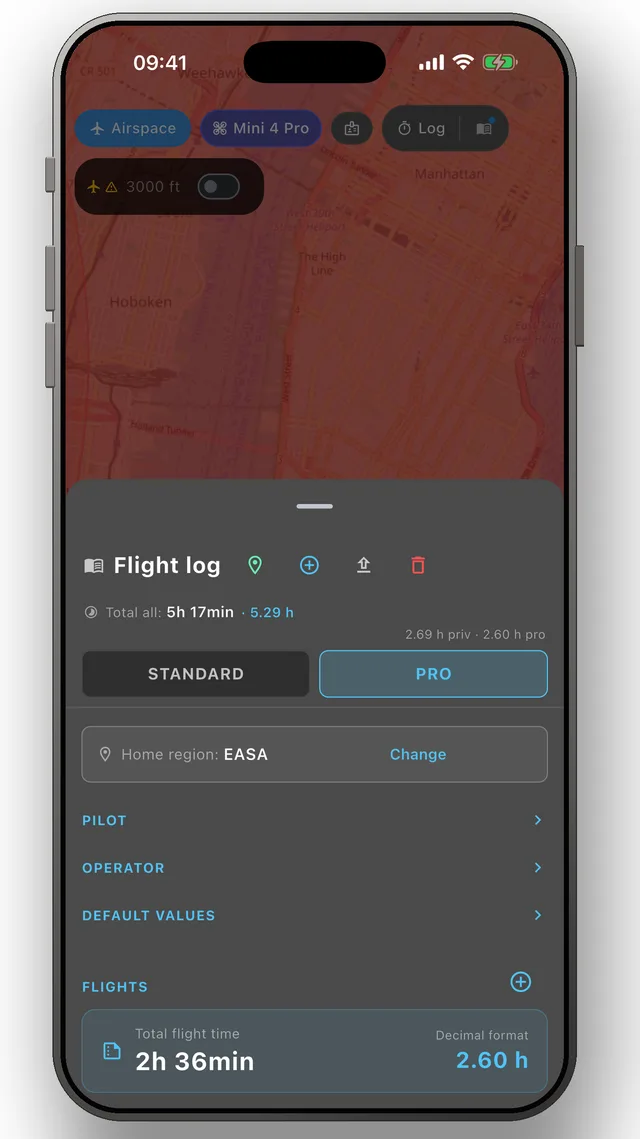
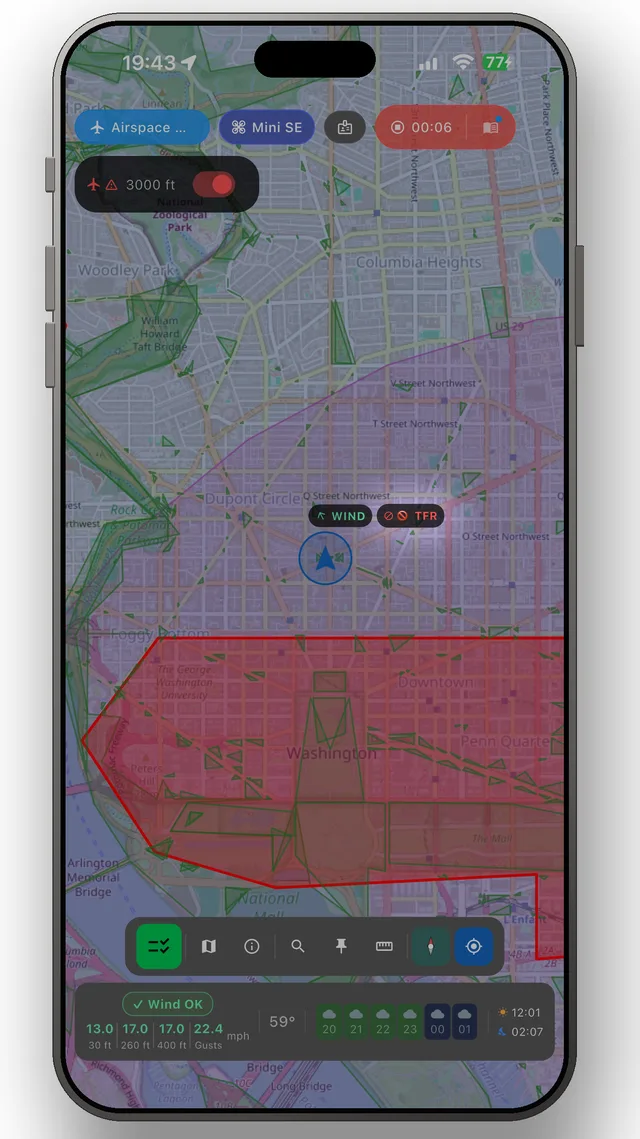
DroneKoll shows weather and current NOTAMs on the map — with flight log and checklists built in.
More in the app: Interactive zone map · Flight log · Planning & measuring · Pre-flight checklists · Flying abroad