Can you fly your drone in Costa Rica?
Whether you can fly depends on your drone, your registration and exactly where you fly. Here is what applies: key rules, no-fly zones and the official sources, in one place.
Regulator
DGAC Costa Rica
Framework
RAC-RPAS (Decreto Ejecutivo N° 44615-MOPT, in force 27 Sep 2024) + RAC-RPAS Apéndice C and AIC N° 05 Serie C of 8 May 2015 (recreational)
Pilot credential
RPAS License
KEY RULES
- Maximum altitude: 120 m (400 ft) above ground level, in uncontrolled airspace.
- Minimum distance of 8 km from any airport or aerodrome; flying closer requires DGAC approval and the issuance of a NOTAM.
- Fly only away from congested areas of buildings in cities, towns or settlements and away from open-air gatherings of people. Only with specific DGAC approval may you operate closer, and never closer than 30 m to those buildings or gatherings.
- ALL drones weighing less than 25 kg must have an identification plate with the serial number, owner's name, and phone number
- Mandatory registration at drones.dgac.go.cr: drones ≥25 kg and all non-recreational use (commercial or non-commercial), regardless of weight
- Recreational use <25 kg: Does NOT require formal registration if you follow basic rules
- Always keep the drone within direct line of sight (VLOS)
- Flying is permitted only during the day and in good weather—night flying requires authorization
- Non-recreational, non-commercial use (including drones <25 kg): DGAC certificate of competency (min. 18 years old), civil liability insurance and registration at drones.dgac.go.cr
- Commercial use: RPAS license + certificate from CETAC (Consejo Técnico de Aviación Civil, the Civil Aviation Technical Council) + DGAC operational certificate
- It is prohibited to fly over private property without permission, prisons, restricted areas, and airports
No-fly zones and restrictions

Frequently asked questions
Do I need a licence or certificate to fly a drone in Costa Rica?
In Costa Rica, the credential to know about is the RPAS License. Whether you need it depends on your drone's weight and how you fly — DGAC Costa Rica runs the scheme, and the official sources below spell out exactly when it applies.
Can I fly a drone as a tourist or foreign visitor in Costa Rica?
Yes, but know the rules: recreational flying with a drone under 25 kg needs no formal registration. Any non-recreational use, at any weight, needs DGAC registration and proof of competency (an RPAS licence if commercial), plus liability insurance if non-commercial. All drones need an ID plate with the owner's contact details. Rules for foreign pilots can change, so always double-check with DGAC Costa Rica before you travel, and see the official sources below.
What are the most important drone rules in Costa Rica?
The short version: Maximum altitude: 120 m (400 ft) above ground level, in uncontrolled airspace. On top of that: Minimum distance of 8 km from any airport or aerodrome; flying closer requires DGAC approval and the issuance of a NOTAM. Also: Fly only away from congested areas of buildings in cities, towns or settlements and away from open-air gatherings of people. Only with specific DGAC approval may you operate closer, and never closer than 30 m to those buildings or gatherings. These are central aviation rules — location-specific airspace, land, nature, privacy and photography requirements can also apply in Costa Rica, so always check the official sources.
Where am I not allowed to fly a drone in Costa Rica?
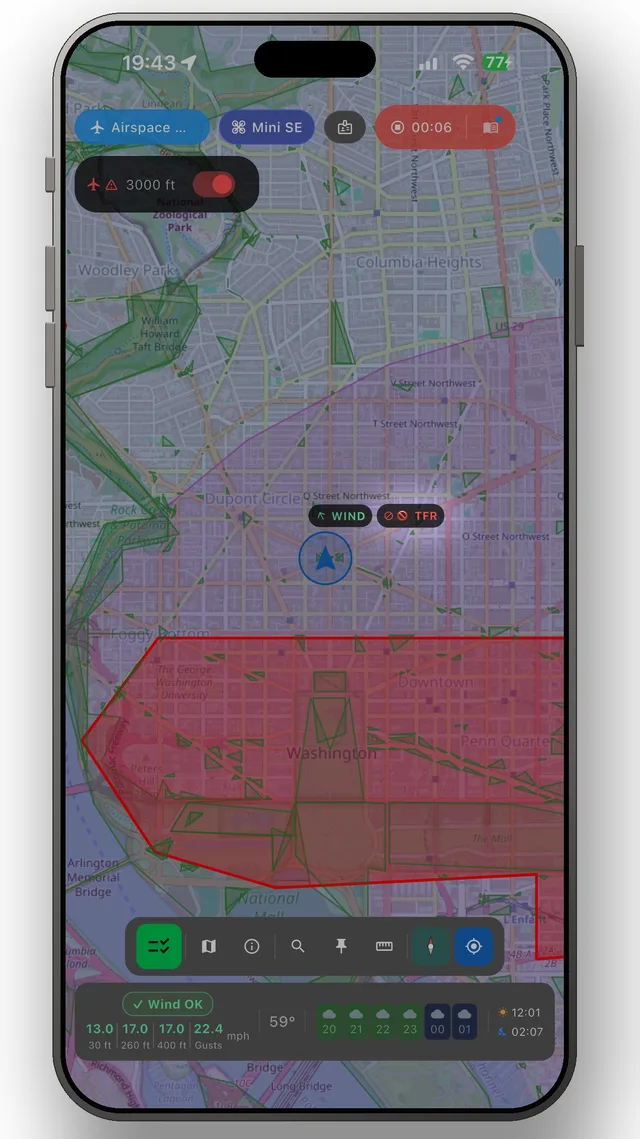
What you need to avoid are the restricted zones — typically around airports, prisons, military areas and protected nature areas. You'll find the official map for Costa Rica under Sources below, and the DroneKoll app shows current NOTAMs (temporary airspace restrictions) for Costa Rica.
Who regulates drone flying in Costa Rica?
Drone flying in Costa Rica is regulated by DGAC Costa Rica, which handles both the rules and the airspace. Their official pages are linked under Sources below — that is where changes appear first.
Good to know
OFFICIAL SOURCES
- DGAC — Drone Registry (dedicated portal)Official dedicated portal of the General Directorate of Civil Aviation for registering drones and obtaining a registration number. Platform specifically for RPASdrones.dgac.go.cr
- DGAC — Home PageOfficial website of the General Directorate of Civil Aviation. Access to regulations, RAC, aviation procedures, and public servicesdgac.go.cr
- DGAC — Frequently Asked Questions (Drones)DGAC's official FAQ section with clear answers on drone operations, registration, requirements, and special permitsdgac.go.cr
- RPAS License Application (Commercial Use)Official procedure for obtaining an RPAS license for commercial use. Includes a certificate from the Civil Aviation Technical Council and an operational certificate from the DGACsub.dgac.go.cr
ADDITIONAL RESOURCES
- SJO Airport — Information on Drones Near AirportsOfficial information from Juan Santamaría International Airport (SJO) regarding drone operating rules near airports. Important for the Alajuela and San José areassjoairport.com
- SINAC — Conservation AreasNational System of Conservation Areas: information on national parks and drone restrictions (Manuel Antonio, Corcovado, Tortuguero, etc.)sinac.go.cr
- Visit Costa Rica — Official Tourism InformationCosta Rica's official tourism website. Useful for understanding tourist areas with special restrictions on dronesvisitcostarica.com
Always check the DGAC’s official sources before flying. This page is a guide — not a legal authority. Costa Rica enforces the RAC-RPAS (Decreto Ejecutivo N° 44615-MOPT, in force since 27/09/2024). All drones must have an identification plate; commercial use requires a certificate from CETAC.
The app
The whole picture, up to date — in your pocket
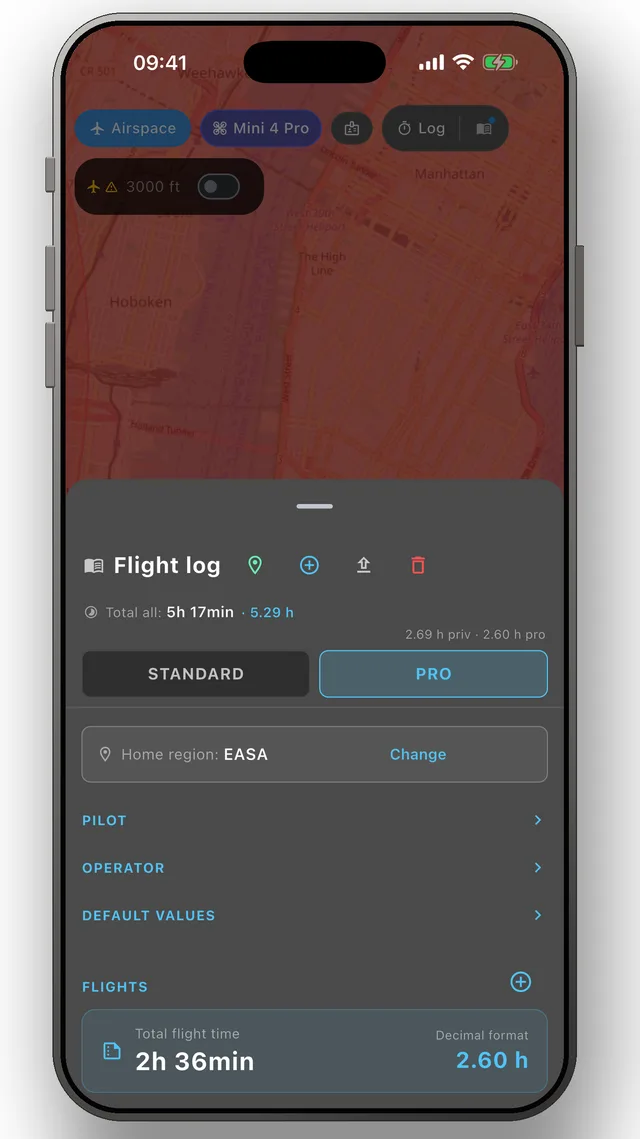
DroneKoll shows weather and current NOTAMs on the map — with a flight log and checklists built in.
More in the app:Interactive zone map · Flight log · Planning & measuring · Pre-flight checklists · Flying abroad